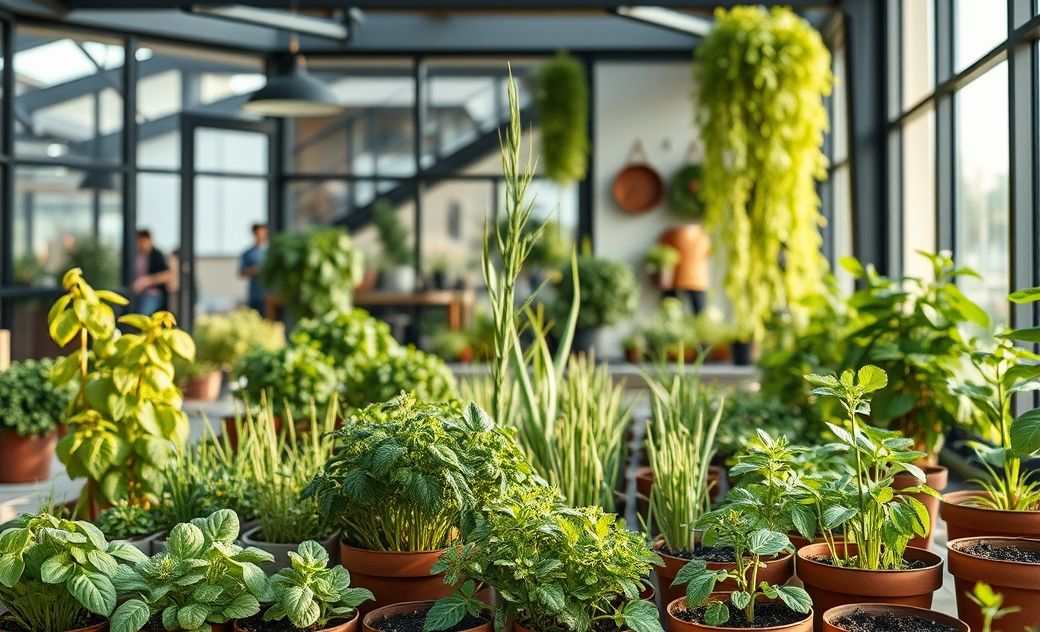

Urban gardening has become more than just a hobby; it’s now a flourishing lifestyle trend in 2025. With the hustle and bustle of city life, urbanites are finding solace and satisfaction in cultivating their greens. This trend is fueled by a myriad of benefits that extend beyond personal joy to environmental and societal gains.
Embracing Urban Gardening
Urban gardening involves cultivating food in a city setting, often in compact spaces like balconies, rooftops, or vertical installations. Its rise in popularity is linked to increasing awareness about sustainability, health, and food security.
Compact Gardens, Big Rewards
The appeal of urban gardening lies in its adaptability to small spaces. Whether it’s a windowsill herb collection or a vertical wall garden of greens, urban gardening empowers city dwellers to produce their own food. The satisfaction of growing food not only saves money but also promotes healthier eating habits by providing access to fresh, organic produce.
Environmental Impact
Urban gardening contributes significantly to environmental sustainability. By replacing concrete with greenery, these gardens combat urban heat, improve air quality, and support biodiversity. Moreover, they contribute to a reduction in the urban carbon footprint by minimizing the need for store-bought vegetables, which are often transported over long distances.
Technological Innovations
The urban gardening boom in 2025 is heavily supported by technological advancements. Innovations have made it easier for amateurs and experts alike to maintain thriving gardens in limited spaces.
Smart Gardening Tools
Advancements such as automated watering systems, sensors that analyze soil quality, and mobile apps for plant care are revolutionizing urban gardening. These tools provide real-time feedback and data-driven advice, making gardening accessible even to those without a green thumb.
Hydroponic and Vertical Farming
Hydroponic systems have become popular, allowing plants to grow without soil, using nutrient-rich water instead. This method maximizes space usage and enhances growth rates. Vertical farming is also on the rise, where plants are stacked in layers, optimizing space and light exposure in urban environments.
Social and Health Benefits
Urban gardening does more than just produce food; it fosters community connections and improves mental well-being.
Building Communities
Community gardens are sprouting up in neighborhoods, bringing people together and fostering a sense of camaraderie. Sharing gardening tips, seeds, and produce with neighbors strengthens social bonds and creates supportive communities focused on mutual growth and sustainability.
Mental and Physical Health
Engaging in urban gardening provides a therapeutic escape from daily stresses. The act of nurturing plants can reduce anxiety and depression while physical activities related to gardening help improve physical health, offering low-impact exercise routines.
The Future of Urban Gardening
As we look to the future, urban gardening is set to become even more integral to city living. With continued innovation and community involvement, this trend will further enhance urban life quality.
The future holds great potential for urban gardeners, with more cities likely to incorporate green spaces into urban planning. Encouraging gardening in schools and workplaces is also expected to take root, promoting healthier lifestyles from a young age.
In conclusion, urban gardening is an empowering trend that is reshaping urban living in 2025. By harnessing technological advancements and community spirit, city dwellers are cultivating more than just plants; they’re nurturing a sustainable and healthier way of life.