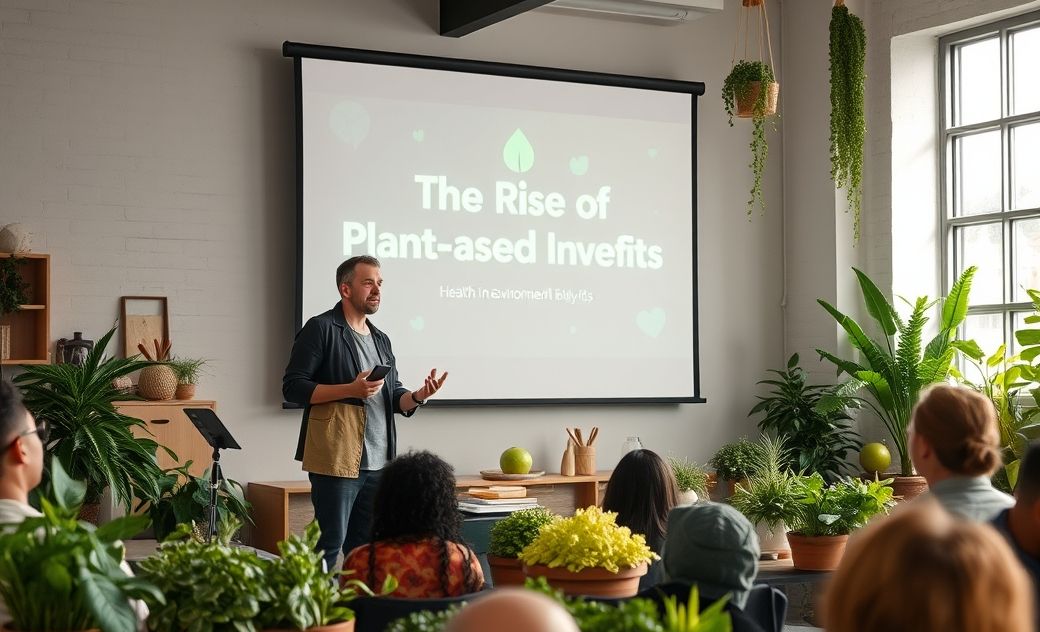

The world is witnessing a significant shift in dietary and lifestyle choices as more people embrace plant-based living. This transition is gaining traction not just for personal health benefits but also for its positive impact on the environment. Let’s dive deeper into how adopting a plant-based lifestyle can contribute to individual well-being and environmental preservation.
Health Benefits of Plant-Based Living
Adopting a plant-based diet can drastically enhance one’s health, potentially leading to increased longevity and improved overall well-being. Here are some notable health benefits:
Heart Health Improvement
Plant-based diets are rich in fruits, vegetables, nuts, and whole grains, which are known for maintaining healthy cholesterol and blood pressure levels. These nutrients help reduce the risk of cardiovascular diseases, making heart health one of the most significant advantages of plant-based living.
Weight Management
Many individuals find that a plant-based diet assists with weight management. This is because such diets are generally lower in calories and high in fiber, promoting a feeling of fullness and reducing the tendency to overeat. Consequently, maintaining a healthy weight becomes less challenging.
Risk Reduction of Chronic Diseases
Numerous studies suggest that plant-based diets may decrease the risk of developing chronic diseases like type 2 diabetes and certain cancers. The abundance of antioxidants and phytochemicals found in plant foods plays a role in protecting cells from damage and supporting immune function.
Environmental Benefits of Plant-Based Living
The environmental benefits of plant-based diets extend far beyond personal health. By reducing reliance on animal-based products, individuals contribute to more sustainable ecosystems and a healthier planet.
Reduced Carbon Footprint
Animal agriculture is a significant contributor to greenhouse gas emissions, accounting for a large portion of global emissions. Shifting towards a plant-based diet can decrease one’s carbon footprint, since plants generally require fewer resources like water and land compared to animal farming.
Conservation of Natural Resources
Growing crops for human consumption is far more efficient in terms of water and land usage than raising animals for meat. By choosing plant-based foods, we use fewer resources, thereby contributing to conservation efforts and reducing strain on the planet’s ecosystems.
Biodiversity Preservation
Industrial farming practices often lead to deforestation and habitat destruction to make way for grazing lands, which significantly alters and harms biodiversity. Plant-based diets utilize existing agricultural lands more effectively and help in preserving the habitats of countless species.
How to Transition to Plant-Based Living
Transitioning to a plant-based lifestyle doesn’t have to be overwhelming. Small, gradual changes can lead to significant shifts over time. Consider starting with one plant-based meal a day or incorporating more plant foods into your current diet.
Explore New Foods
Trying out different fruits, vegetables, and grains can make the transition exciting. From chickpeas to quinoa and a variety of nuts and seeds, exploring new foods can open a world of culinary adventures while enhancing nutritional intake.
Educate Yourself
Understanding the nutritional needs and how to meet them with a plant-based diet can facilitate a smoother transition. Plenty of resources, including books and online platforms, offer guidance on maintaining a balanced plant-based diet.
Join a Community
Supporting and involving yourself with a plant-based community can be incredibly beneficial. Whether online or in-person, these communities offer advice, motivational support, and recipe ideas that can make the journey more enjoyable.
As awareness about the benefits of plant-based living continues to grow, so does its adoption. This lifestyle not only enhances individual health but also offers a practical solution to environmental challenges. By opting for a plant-based diet, individuals can lead healthier lives while contributing to the well-being of the planet.