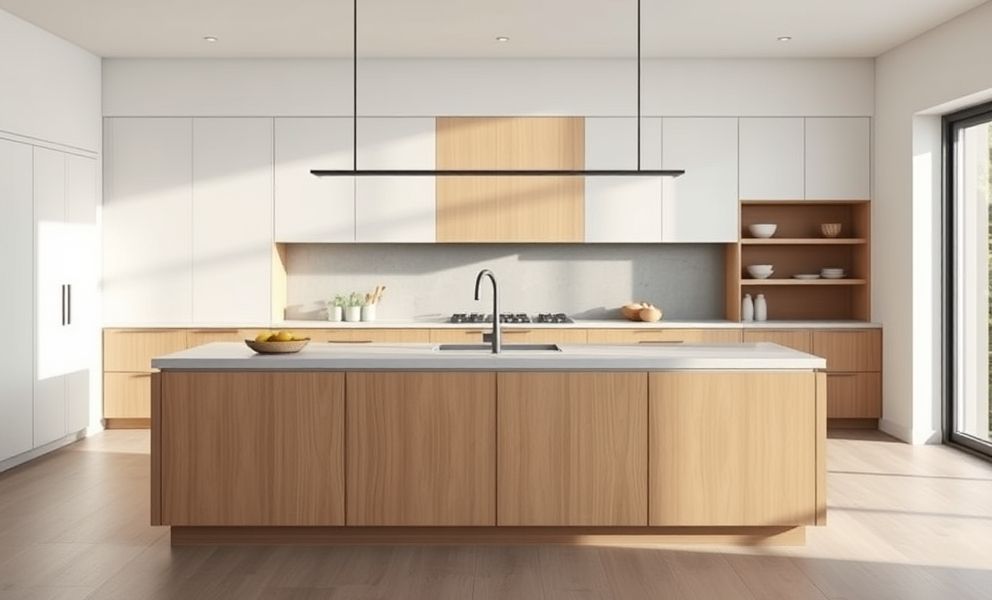

Imagine walking into your dream kitchen—the heart of your home where family gathers, meals are prepared with joy, and conversations flow effortlessly. At the center of this vision stands a beautiful kitchen island, the ultimate multitasker that transforms your cooking space from functional to fabulous. But before you dive into this exciting home improvement project, you need to understand the real costs involved.
Kitchen islands have evolved from simple prep stations to sophisticated hubs that combine storage, seating, and appliances. Whether you’re planning a budget-friendly upgrade or dreaming of a luxury centerpiece, this comprehensive guide will walk you through every aspect of kitchen island costs, helping you make informed decisions that align with your vision and budget.
Understanding Kitchen Island Costs: What to Expect
The price range for kitchen islands is surprisingly broad, reflecting the incredible variety of options available. On average, homeowners spend between $3,000 and $50,000, with the national average sitting around $19,250. This wide spectrum means there’s an island solution for nearly every budget and kitchen size.
Think of kitchen island costs like buying a car—you can choose a reliable compact model or splurge on a luxury vehicle with all the bells and whistles. The key is understanding what you’re paying for at each price point and how different factors influence the final bill.
Kitchen Island Cost Breakdown by Grade
Let’s explore the four main categories of kitchen islands and what you can expect at each investment level:
Basic Kitchen Islands ($3,000 – $6,000)
Basic islands offer excellent value for homeowners seeking additional counter space without breaking the bank. These typically feature:
- Stock or semi-custom cabinet bases
- Laminate or basic solid surface countertops
- Simple storage solutions like open shelving
- No plumbing or electrical connections
Perfect for: Small kitchens, rental properties, or budget-conscious renovations where functionality trumps luxury features.
Upper Basic Kitchen Islands ($14,000 – $20,000)
Stepping up to the upper basic category brings noticeable improvements in quality and customization:
- Higher-end materials like quartz or granite countertops
- Semi-custom cabinetry with better finishes
- Additional storage features like pull-out drawers
- Optional electrical outlets for small appliances
Ideal for: Homeowners who want quality materials without the full custom treatment.
Mid-Range Kitchen Islands ($17,000 – $24,000)
Mid-range islands represent the sweet spot for many homeowners, offering:
- Custom-built cabinetry tailored to your space
- Integrated sinks or cooktops
- Premium countertop materials
- Built-in appliances like microwaves or dishwashers
Best for: Families who use their kitchen extensively and want both style and substance.
Premium Kitchen Islands ($20,000 – $50,000+)
Luxury islands transform your kitchen into a showpiece with features like:
- Custom cabinetry with high-end finishes
- Exotic materials like marble or quartzite
- Waterfall edges that create visual drama
- Advanced appliances including wine coolers and warming drawers
- Professional-grade lighting and design elements
Perfect for: High-end renovations where the kitchen serves as the home’s centerpiece.
Prefab vs Custom Kitchen Islands: Making the Right Choice
One of the biggest decisions you’ll face is whether to choose a prefabricated island or invest in custom construction. Each option has distinct advantages depending on your needs, timeline, and budget.
Prefabricated Kitchen Islands: The Quick Solution
Prefab islands arrive ready to install, making them ideal for quick kitchen updates. These cost-effective options range from $500 to $5,000 and offer several benefits:
- Speed: Most can be installed in a single day
- Affordability: Mass production keeps costs lower
- Portability: Some models include wheels for flexibility
- Consistency: You know exactly what you’re getting
However, prefab islands have limitations. They may not fit perfectly in unusual kitchen layouts, and customization options are limited. Think of them as “off-the-rack” solutions—great for standard situations but not for unique spaces.
Custom Kitchen Islands: The Tailored Approach
Custom islands represent the pinnacle of kitchen design, with prices ranging from $5,000 to $50,000 or more. The benefits are substantial:
- Perfect Fit: Designed specifically for your kitchen’s dimensions
- Personalization: Choose every detail from materials to features
- Quality Craftsmanship: Higher-quality construction and finishes
- Increased Home Value: Custom features often yield better returns
The trade-offs include longer lead times (typically 4-8 weeks) and higher costs. Custom islands are like bespoke suits—they fit perfectly but require more investment and patience.
Key Factors That Determine Your Kitchen Island Cost
Understanding what drives kitchen island pricing helps you make smarter choices about where to splurge and where to save. Here are the primary cost factors:
Size and Dimensions
Larger islands naturally cost more due to increased material requirements. Standard sizes range from 2×4 feet (basic) to 4×8 feet (premium), with costs increasing proportionally. Remember to maintain at least 42-48 inches of clearance around the island for comfortable movement.
Material Selection
Materials account for 40-60% of your total cost. Here’s how common options compare:
- Budget-friendly: Laminate ($15-40/sq ft), butcher block ($35-75/sq ft)
- Mid-range: Quartz ($50-120/sq ft), granite ($40-100/sq ft)
- Premium: Marble ($75-250/sq ft), quartzite ($70-200/sq ft)
Features and Appliances
Each additional feature adds to your bottom line:
- Basic sink: $300-1,500
- Cooktop: $400-4,000
- Wine cooler: $500-2,500
- Dishwasher drawer: $800-1,500
- Electrical outlets: $150-300 each
Utility Connections
Plumbing and electrical work require professional installation, adding $1,000-5,000 to your project. These connections transform your island from a simple prep surface to a fully functional kitchen workstation.
Design Complexity
Custom shapes, unusual angles, or specialty finishes increase labor costs. Simple rectangular designs are most cost-effective, while curved edges or multi-level surfaces add 15-30% to your budget.
DIY vs Professional Installation: Weighing Your Options
The installation method you choose significantly impacts both cost and outcome. Let’s examine both approaches:
DIY Kitchen Island Installation
If you’re handy with tools and have basic construction skills, DIY installation can save substantial money. Expect to spend $750-1,500 for materials if building from scratch, or $500-2,000 for prefab island assembly.
Pros of DIY:
- Significant cost savings on labor
- Complete control over the project timeline
- Satisfaction of creating something with your own hands
- Ability to make adjustments as you work
Cons of DIY:
- Requires time, tools, and construction knowledge
- Potential for mistakes that could cost more to fix
- No professional warranty on workmanship
- Limited access to wholesale materials
Professional Installation
Hiring professionals ensures expert results but comes with higher costs ($3,000-50,000 depending on complexity). Professional installation makes sense when:
- Your island includes plumbing or electrical work
- You want complex features or custom designs
- You lack the time, skills, or tools for DIY
- You want the security of professional warranties
Professional installers handle everything from measurement to final cleanup, delivering a polished result that typically adds value to your home.
Smart Strategies to Save on Your Kitchen Island
You don’t need to sacrifice quality to stay within budget. These practical tips help you get the most value from your kitchen island investment:
Size Optimization
Instead of maximizing size, focus on functionality. A well-designed 3×5 foot island often provides better workflow than a sprawling 4×8 foot model. Consider your primary uses—food prep, dining, storage—and size accordingly.
Material Mixing
Combine premium and budget materials strategically. Use expensive stone only on the countertop surface while choosing more affordable options for sides and base. This “highlight” approach gives you luxury where it matters most.
Stock Cabinet Bases
Prefabricated cabinet bases cost 30-50% less than custom options. Many manufacturers offer stock sizes that can be customized with different doors, hardware, or finishes to create a semi-custom look.
Phased Approach
Install a basic island now and add features later. Start with simple storage and counter space, then incorporate appliances or plumbing during future kitchen updates. This spreads costs over time while immediately improving functionality.
Mobile Alternatives
For small kitchens or rental properties, consider a rolling kitchen cart ($200-800). These portable islands provide extra surface area and storage without permanent installation, making them ideal for flexible spaces.
Maximizing Your Kitchen Island Investment
A well-planned kitchen island delivers returns beyond immediate functionality. Here’s how to ensure your investment pays dividends:
Focus on Workflow
Position your island to create an efficient “work triangle” between refrigerator, sink, and cooktop. Proper placement improves cooking efficiency and makes your kitchen more enjoyable to use daily.
Consider Resale Value
While luxury features are appealing, neutral designs with broad appeal often yield better returns. Homebuyers appreciate quality materials and functional layouts over highly personalized elements.
Balance Form and Function
The most successful islands combine aesthetic appeal with practical utility. Ensure your design supports how you actually use your kitchen rather than just looking impressive.
Future-Proof Your Design
Consider how your needs might change. Adding electrical conduits during initial construction makes future upgrades easier and less expensive, even if you don’t install all features immediately.
FAQ
What is the most affordable kitchen island option?
A rolling kitchen cart or basic prefabricated island with stock cabinets offers the lowest entry point, starting around $500. These provide additional counter space and storage without permanent installation costs.
Do kitchen islands actually increase home value?
Yes, well-designed islands typically add value by improving functionality and appeal. According to remodeling surveys, kitchen upgrades often return 60-80% of their cost at resale, with islands being among the most desirable features.
Can I install plumbing in an existing kitchen island?
Adding plumbing to an existing island is possible but complex and expensive ($2,000-5,000). It requires accessing subfloor plumbing lines and may involve significant demolition. Planning for utilities during initial construction is more cost-effective.
How much clearance do I need around a kitchen island?
Maintain 42-48 inches of clearance on all sides for comfortable movement. In high-traffic areas or kitchens with multiple cooks, 48 inches is preferable. For wheelchair accessibility, 60 inches is recommended.
What’s the typical timeline for custom kitchen island installation?
Custom islands require 4-8 weeks from design to installation. This includes 2-4 weeks for design and material selection, 2-3 weeks for fabrication, and 1-2 weeks for installation, depending on complexity.
Are kitchen islands suitable for small kitchens?
Yes, with careful planning. Consider narrow islands (24-30 inches wide) or mobile carts that can be moved when not needed. The key is ensuring adequate circulation space—if you have less than 10 feet between opposing countertops, an island may not be practical.
What maintenance do different countertop materials require?
Quartz requires minimal maintenance (just cleaning), while granite needs periodic sealing. Butcher block demands regular oiling, and marble is susceptible to staining. Consider your willingness to maintain surfaces when selecting materials.
Making Your Kitchen Island Dream a Reality
Your kitchen island represents more than just additional counter space—it’s an investment in your home’s functionality, aesthetic appeal, and overall value. By understanding the cost factors and making informed choices, you can create a centerpiece that perfectly balances your dreams with practical budget considerations.
Remember that the best kitchen island isn’t necessarily the most expensive one, but the one that best serves your family’s needs while enhancing your kitchen’s workflow and beauty. Whether you choose a simple prep station or a luxury entertainment hub, careful planning ensures your investment delivers lasting satisfaction and value for years to come.
Start by assessing your space, defining your priorities, and setting a realistic budget. With this comprehensive cost guide as your roadmap, you’re well-equipped to navigate the exciting journey of adding the perfect kitchen island to your home.