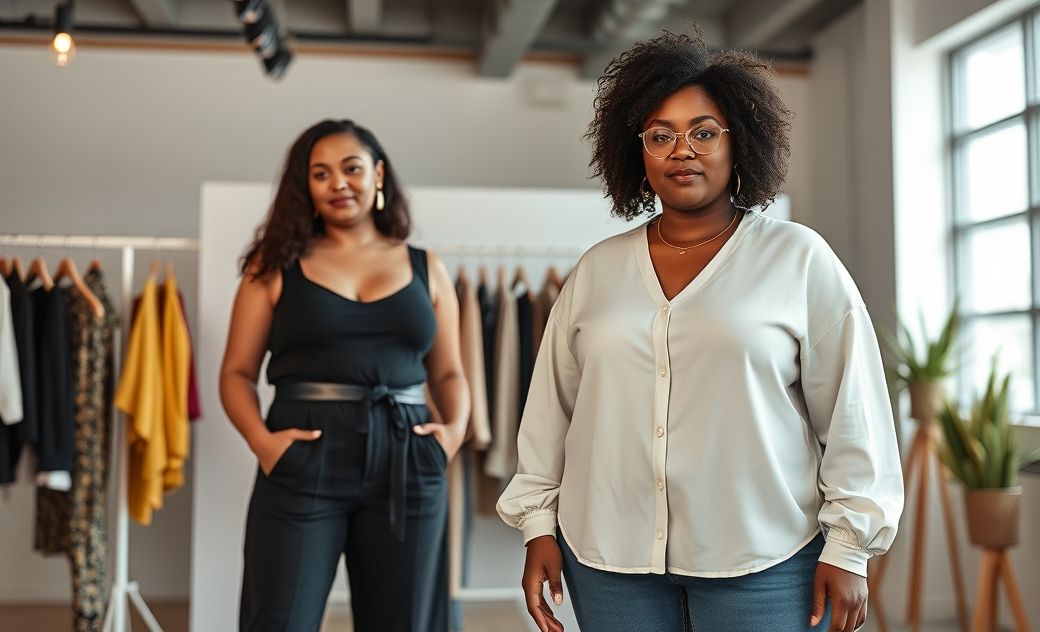

Fashion brands are increasingly recognizing the importance of diverse sizing to meet the demands of an evolving consumer base. As we step into 2025, brands are making significant adjustments to cater to a more inclusive audience, offering a wider range of sizes without compromising on style and quality. This transformation in the fashion industry is crucial as brands strive to resonate with a diverse body demographic.
The Need for Inclusive Sizing
Inclusivity in fashion is not a new concept, but its implementation has gained momentum in recent years. Consumers are rejecting the outdated one-size-fits-all approach and demanding clothes that accommodate all body types. With approximately 67% of women in the U.S. alone wearing a size 14 or larger, the need for inclusive sizing has shifted from a niche market to a mainstream expectation. Brands have realized that ignoring this significant portion of the market is both a missed opportunity and a reflection of outdated societal norms.
Consumer Demand for Diversity
Today’s consumers are more informed and vocal about their needs. They expect brands to not only acknowledge but also celebrate body diversity. Social media platforms amplify these voices, placing additional pressure on businesses to evolve. This demand is not limited to women’s fashion; men and non-binary individuals are also seeking representation and options that reflect their personal style and preferences.
Economic Incentives
Adopting a diverse sizing approach is also financially beneficial for brands. Expanding size offerings can significantly enhance a brand’s revenue stream by tapping into an underserved market. The growth in sales from more inclusive collections can outweigh the initial costs of expanding size ranges, ultimately strengthening customer loyalty and brand reputation.
Challenges Faced by Brands
Despite recognizing the necessity, brands encounter several hurdles in implementing diverse sizing. Designing and producing a broader range of sizes requires additional resources and thoughtful planning. Challenges include adjusting manufacturing processes, redesigning garment patterns, and ensuring that quality and style remain consistent across all sizes.
Sustainability Considerations
As fashion brands expand their sizing, they must also contend with sustainability concerns. Creating additional inventory can potentially lead to increased waste if not managed correctly. Many brands are turning to on-demand production models, where garments are only manufactured once an order is placed. This approach minimizes excess inventory and aligns with consumers’ increasing preference for environmentally conscious products.
Maintaining Brand Aesthetics
Ensuring that style and aesthetics are preserved across diverse sizes is another challenge. Designers must create garments that are not only size-inclusive but also maintain the brand’s signature look. Innovative approaches to pattern-making and fit testing are being employed to address these challenges, ensuring every garment embodies the intended style while being flattering for a wide array of body shapes.
Successful Brand Strategies
Several brands are leading the way in diverse sizing by adopting innovative strategies that can serve as a blueprint for others. These brands are leveraging technology and consumer feedback to refine their offerings continually.
Technology Integration
Brands are increasingly using technology to improve fit and sizing accuracy. Virtual fitting rooms, AI-driven sizing recommendations, and 3D body scanning technologies are being integrated to offer personalized experiences. This technology not only enhances customer satisfaction but also reduces returns due to sizing issues.
Community Engagement
Engaging with the community is key to understanding diverse consumer needs. Fashion brands are fostering inclusive communities through social media interactions, focus groups, and collaborations with influencers representing a broad spectrum of body types. This engagement ensures that brands remain attuned to their customers, fostering relationships built on trust and inclusivity.
In summary, as we advance through 2025, the fashion industry’s shift toward diverse sizing is not just a trend but a necessity. Brands that embrace inclusivity are likely to thrive in a market increasingly valuing diversity, body positivity, and personal expression. By overcoming challenges and innovating continuously, these brands not only meet the needs of their consumers but contribute positively to the cultural narrative concerning body image and fashion inclusivity.