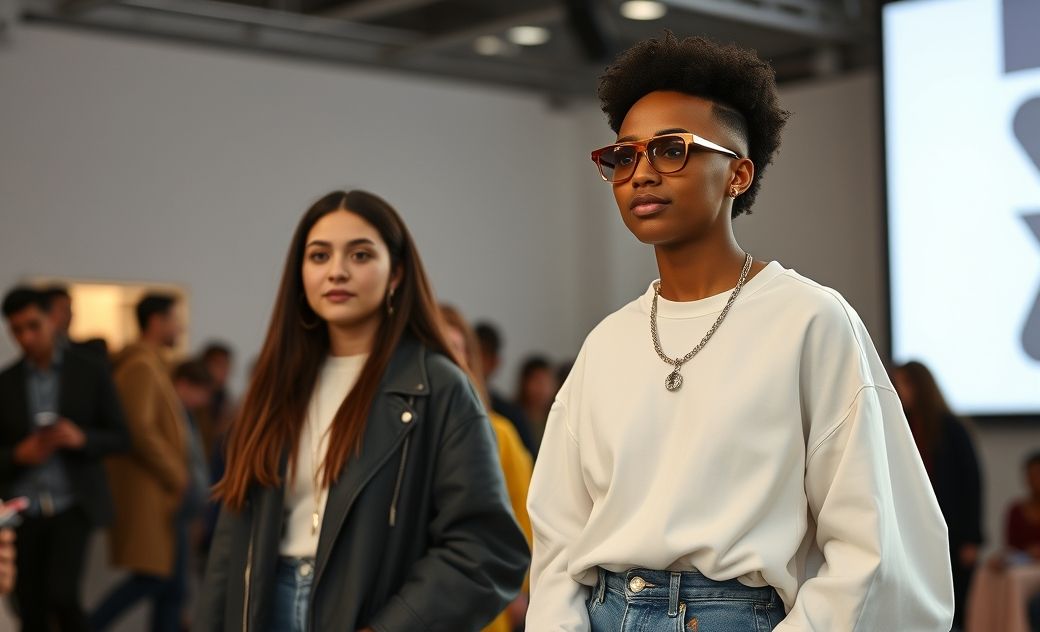

In the modern fashion landscape, Generation Z has emerged as a colossal force redefining styles, trends, and consumer habits. As the first generation of true digital natives, Gen Z’s approach to fashion is distinctive, with a profound leaning towards digital-first experiences. Brands are swiftly adapting to these preferences to stay relevant and engaging for this influential cohort. The following insights delve into the digital-first fashion phenomenon and elucidate what brands must strategize to capture Gen Z’s attention and loyalty.
Understanding Gen Z’s Digital-First Nature
Unlike prior generations, Gen Z has grown up in an era where digital interactions are integral to daily life. This constant connectivity has shaped their expectations and behaviors, particularly within the fashion industry. For Gen Z, online presence and digital repositories often overshadow traditional methods of discovery and purchase.
Social Media as a Primary Influence
Social media platforms like Instagram, TikTok, and more recently, Snapchat, serve as primary channels where Gen Z discovers new fashion trends. Influencers and peers drive these trends as they showcase styles and brands with immediacy and authenticity. Brands need to leverage these platforms with engaging content, collaborations, and viral marketing strategies to establish a connection with Gen Z.
The Role of Online Communities
Beyond individual influencers, Gen Z greatly values the opinions and attitudes of online communities. Forums and groups within platforms encourage discussions and reviews that significantly impact purchasing decisions. Brands should nurture these communities by participating in conversations and integrating user-generated content into their marketing efforts.
Embracing Sustainability and Ethical Fashion
Gen Z is distinctly conscious about the environmental and social impacts of their purchases. They tend to favor brands that demonstrate transparency and responsibility in their production methods. By adopting sustainable practices, brands can appeal to Gen Z’s ethos, aligning with their environmental values and building long-term loyalty.
Transparency and Authenticity
Fashion brands that openly communicate their ethical practices and supply chain transparency often find favor with Gen Z consumers. Authenticity is key; therefore, companies should showcase their values, missions, and actions through their websites and social media channels, reassuring Gen Z of their commitment to ethical fashion.
The Rise of Digital Fashion and Virtual Influences
In recent years, the concept of digital fashion has captivated Gen Z, offering innovative ways to experience clothing through virtual try-ons, augmented reality, and even fashion items that exist solely in the digital world. Digital clothing allows for experimentation with personal style without the environmental costs associated with traditional fashion.
Virtual Try-Ons and Augmented Reality
Brands are increasingly utilizing technology to provide enhancing shopping experiences. Virtual try-ons and augmented reality applications enable consumers to visualize products in their own environment or on themselves before making a purchase decision. This not only improves the shopping experience but also reduces return rates, benefiting both consumers and the company.
Virtual Influencers
Another fascinating trend is the emergence of virtual influencers—computer-generated personas with sizable followings. These influencers collaborate with brands to promote digital fashion and appeal to tech-savvy Gen Z consumers who appreciate creativity and innovation in content.
Implications for Branding and Marketing Strategies
To effectively engage with Gen Z, fashion brands must rethink their marketing strategies to align with digital-first preferences and values. This involves embracing technology, authenticity, and sustainability in novel and compelling ways.
Understanding and adapting to these changing dynamics will be crucial for brands looking to secure a place in the hearts and wardrobes of Gen Z consumers. As the digital landscape continues to evolve, so too must the approaches integrated by fashion industries, ensuring they resonate with a generation that is swiftly making its mark.