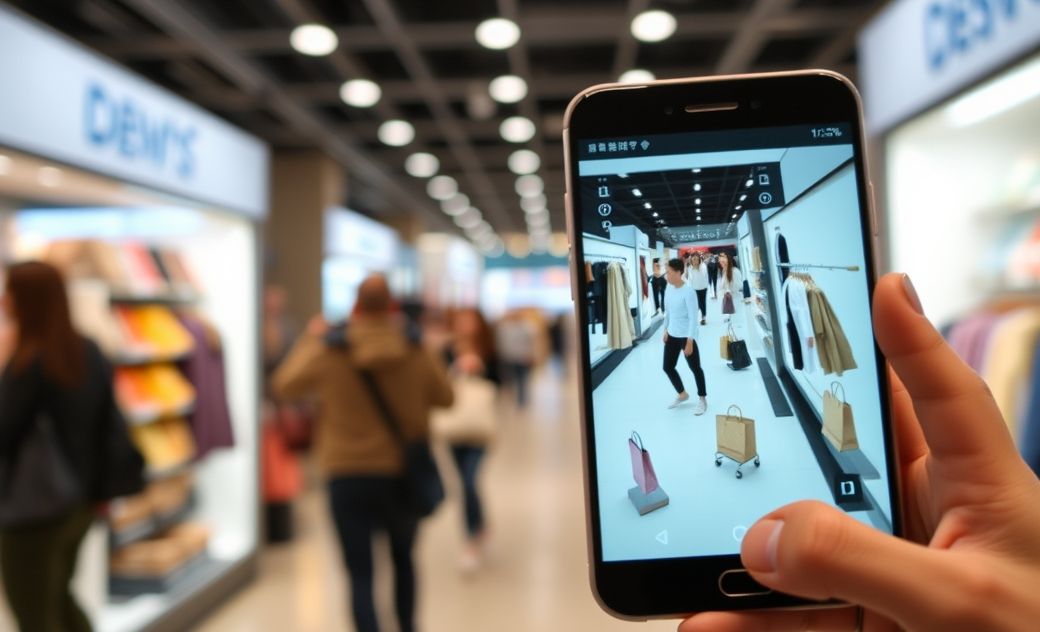

Augmented Reality (AR) is no longer a futuristic concept; it’s a present-day reality that’s reshaping the landscape of retail shopping. With the increasing popularity of AR apps, retailers and consumers alike are experiencing a sea change in how shopping experiences are designed and delivered. This transformation brings an engaging, interactive, and personalized shopping journey that matches the digital expectations of modern consumers.
Enhancing Customer Experience
AR apps elevate the customer experience by allowing consumers to visualize products in their preferred context before making a purchase. This visualization eliminates the guesswork linked with online descriptions and static images, which often cause hesitancy among shoppers. By allowing customers to see what a product can look like in their environment, AR apps facilitate more confident purchasing decisions, reducing the rate of returns.
Try Before You Buy
The ability to “try before you buy” is a significant benefit that’s enticing more shoppers to embrace AR tools. Virtual fitting rooms allow users to place digital clothing on their avatars, providing a realistic view of how the apparel will fit. Home decor and furniture companies, such as IKEA, have successfully implemented this technology, enabling customers to arrange virtual furniture in their homes before committing to buying.
Interactive Product Information
AR apps can present interactive 3D models and detailed information overlays about products. This feature provides an engaging way for consumers to learn about complex products, such as electronics or home appliances, ensuring they have all the necessary information at their fingertips. This approach not only enhances the shopping experience but fosters informed purchasing decisions.
Driving Customer Engagement
Keeping customers engaged in an era characterized by short attention spans is a challenge, and AR apps are proving to be a powerful tool to meet this challenge. By offering immersive experiences, retailers can attract and retain customer attention, leading to increased brand loyalty and sales conversions.
Gamification of Shopping
Many brands are leveraging AR apps to gamify the shopping journey, transforming mundane tasks into fun activities. For example, in-store navigation guides and scavenger hunts encourage customers to explore different sections of a store, enhancing interaction and lengthening store visits.
Social Media Integration
AR apps are easily integrated with social media platforms, allowing users to share their virtual shopping experiences with friends and followers. This sharing capability leads to organic brand promotion and increased visibility on social media, which can drive new customers to explore AR shopping options.
Boosting Online Sales
The use of AR in shopping isn’t just enhancing in-store experiences; it’s significantly impacting online retail as well. As e-commerce continues to dominate the retail sector, AR is a crucial component in bridging the gap between in-store and online shopping.
Reducing Cart Abandonment
One of the prevalent issues in e-commerce is cart abandonment, often due to indecision or lack of product confidence. By integrating AR apps, retailers provide a more detailed view of the product, enhancing the likelihood that customers will complete their purchases.
Personalized Shopping Experiences
AR apps harness data to offer personalized recommendations based on user preferences and previous behaviors. This level of personalization caters to individual shopper needs, creating a tailored experience that resonates more effectively with each customer, thereby increasing sales potential.
Overall, augmented reality is transforming the retail industry, creating more engaging and personalized shopping experiences that are driving customer satisfaction and boosting conversions. As AR technology continues to evolve, it’s expected to further revolutionize the way we shop, bridging physical and digital retail spaces seamlessly.