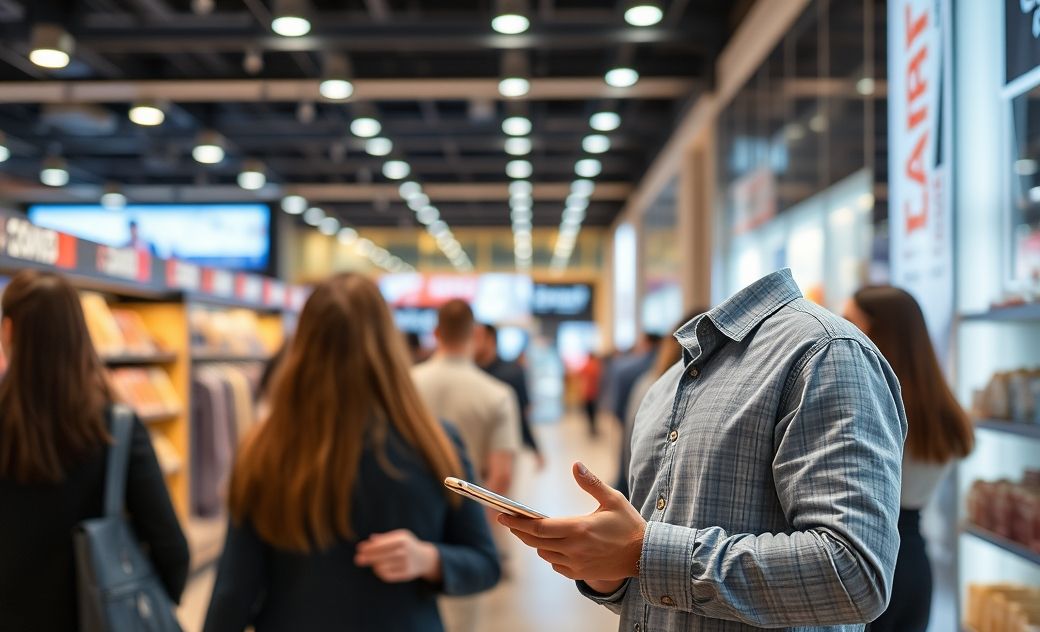

In today’s fast-paced digital age, the retail industry is undergoing a significant transformation driven by advancements in smart technology. From personalized shopping experiences to streamlined operations, smart tech is revolutionizing how consumers interact with retail environments. In this article, we’ll explore the various ways smart technology is reshaping the retail landscape and the benefits it brings to both businesses and consumers.
Enhancing Customer Experience
Smart technology plays a pivotal role in enhancing customer experience in the retail sector. By leveraging AI and IoT, retailers can offer personalized services and a seamless shopping journey.
Personalized Shopping
Retailers are using AI algorithms to analyze customer data and provide tailored product recommendations. This personalization helps in crafting a unique shopping experience for each individual, leading to higher satisfaction and increased sales. For instance, online platforms utilize past purchase history and browsing behavior to suggest items that cater specifically to individual preferences.
Seamless Checkout Processes
Long checkout lines are a major pain point for customers. Smart technology tackles this issue through innovations like mobile payment solutions and self-checkout kiosks. Automated checkout processes not only reduce wait times but also improve accuracy and efficiency, providing a more convenient and faster transaction experience.
Optimizing Supply Chain Management
Retailers are increasingly relying on smart tech to optimize supply chain management, ensuring that their inventory levels are managed more effectively and efficiently.
Inventory Tracking
With RFID tags and IoT sensors, retailers can maintain real-time visibility over their inventory. This technology allows for accurate tracking of stock levels, reducing the chances of overstocking or stockouts. Moreover, it facilitates better decision-making in terms of restocking and allocation of resources, thus minimizing waste and improving profitability.
Demand Forecasting
AI-driven analytics use vast amounts of data to predict consumer demand more accurately. This enables retailers to align their inventory with consumer needs, leading to better product availability on shelves and enhanced customer satisfaction. By anticipating market trends and consumer behavior, businesses can ensure they meet demand without overextending resources.
Improving In-Store Experiences
The integration of smart technology in physical retail locations is creating immersive and interactive environments that engage customers in innovative ways.
Smart Mirrors and Interactive Displays
Smart mirrors are equipped with augmented reality capabilities that allow customers to try on clothes virtually. This technology enhances the in-store shopping experience by offering an engaging and interactive way to visualize products. Similarly, interactive displays provide detailed product information, usage instructions, and promotional content, assisting customers in making informed purchasing decisions.
Beacon Technology
Retailers use beacon technology to send real-time notifications and offers to customers’ smartphones as they move around the store. This approach not only increases engagement but also influences purchasing behavior by providing timely and relevant information to the shopper, enhancing their overall shopping journey.
Boosting Operational Efficiency
Smart technology not only improves the customer experience but also enhances operational efficiency, providing retailers with tools to streamline their processes and reduce costs.
Automated Stock Management
Automated systems powered by smart tech can manage stock levels autonomously, ensuring that shelves are stocked appropriately without requiring manual intervention. These systems help in reducing operational costs and minimizing human errors in inventory management.
Data Analytics for Business Insight
Retailers are harnessing the power of big data and analytics to gain insights into customer preferences, market trends, and operational performance. These insights help in making informed business decisions, adapting strategies, and improving overall operational efficiency. As a result, businesses can better meet the needs of their customers while optimizing their operational strategies.
In conclusion, smart technology is playing an instrumental role in revolutionizing retail experiences by enhancing customer satisfaction, optimizing supply chains, improving in-store interactions, and boosting operational efficiency. As technology continues to evolve, retailers must embrace these advancements to stay competitive and meet the ever-changing demands of the modern consumer.