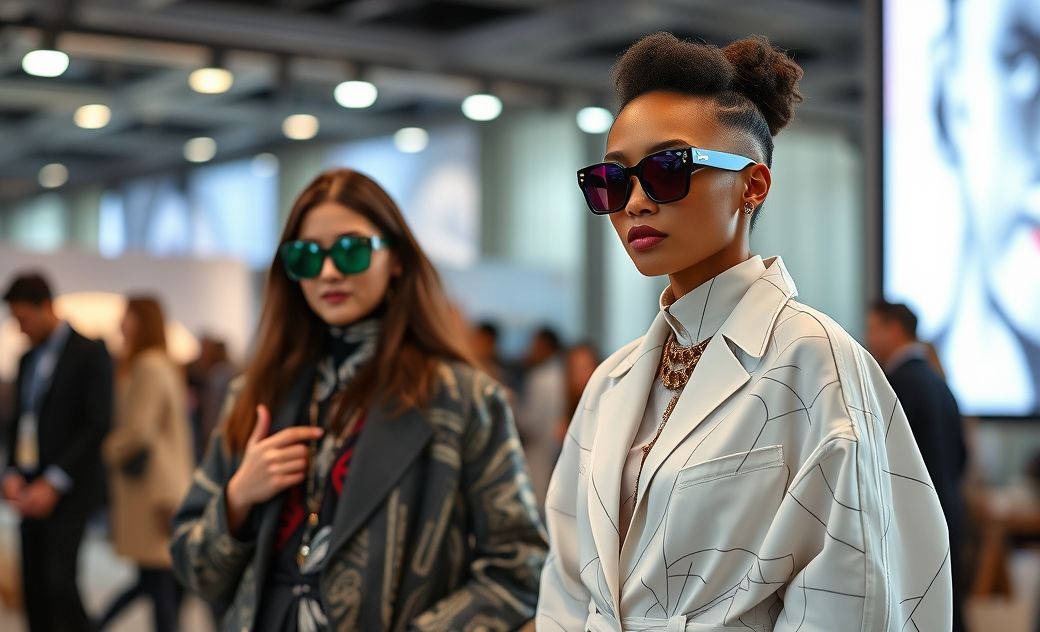

The fashion industry is undergoing a technological transformation, with innovative developments that are set to redefine personal style. By 2025, fashion tech trends will not only enhance aesthetic appeal but also offer interactive, personalized experiences that align with consumers’ evolving expectations. Let’s delve into some of these groundbreaking trends that are revolutionizing the fashion landscape.
Smart Fabrics: The Intersection of Functionality and Style
Smart fabrics have been at the forefront of fashion tech, offering functionalities that go beyond traditional clothing. These cutting-edge materials integrate technology directly into the fibers, creating garments that respond to environmental changes or communicate with devices.
Temperature-Regulating Materials
The innovation of temperature-regulating materials is one of the most promising advances in smart fabrics. These materials enable garments to adapt to the wearer’s body temperature and the surrounding climate, providing optimal comfort throughout the day. This technology is particularly appealing for activewear and outdoor clothing brands seeking to enhance performance and comfort.
Health Monitoring Capabilities
Incorporating health monitoring capabilities into clothing is another remarkable use of smart fabrics. Such garments can track vital signs like heart rate, respiratory patterns, and even glucose levels. This offers a stylish yet practical way for individuals to maintain their health metrics without the need for additional devices.
AI-Driven Fashion Personalization
Artificial intelligence is playing a crucial role in offering highly personalized fashion experiences. By analyzing customer data and preferences, AI can suggest styles that perfectly align with individual tastes and lifestyle needs.
Virtual Stylists
AI-powered virtual stylists have begun to make waves in the fashion industry, providing users with tailored style advice based on a thorough analysis of their social media, past purchases, and even upcoming weather forecasts. This personalization elevates the shopping experience, helping consumers and brands strike a perfect balance between personal taste and current fashion trends.
Custom Fit Solutions
Custom fit solutions are another exciting application of AI in fashion. Using detailed body scanning and advanced algorithms, brands can offer perfectly fitted garments without traditional, lengthy alteration processes. This technology not only enhances comfort and fit but also reduces waste and returns, aligning with sustainable fashion values.
Augmented Reality (AR) and Virtual Reality (VR) in Fashion
AR and VR technologies are drastically transforming the way consumers interact with fashion. From immersive virtual try-ons to engaging digital showcases, these technologies offer innovative ways to enhance the consumer experience.
Virtual Dressing Rooms
Virtual dressing rooms enable shoppers to try on clothing in a digital space, allowing them to see fit and style from all angles. This AR solution addresses the limitation of online shopping, providing a comprehensive and realistic view that aids in purchase decisions.
Virtual Fashion Shows
As the global audience for fashion grows, virtual fashion shows are becoming increasingly popular. Utilizing VR, brands can create immersive digital catwalks that reach a wider audience, making high-fashion experiences accessible to all. This trend is particularly beneficial for inclusivity and democratization within the fashion industry.
Sustainability through Technology
Technological innovations are paving the way for a more sustainable fashion future. From optimizing production processes to enabling innovative recycling techniques, tech is helping fashion become more environmentally responsible.
3D Printing
3D printing offers opportunities for customization and reduction of waste in the fashion industry. By allowing precise production of clothing items directly from digital designs, this technology minimizes fabric waste and overproduction, leading to a more sustainable production process.
Blockchain for Transparency
Blockchain technology is helping brands provide greater transparency in their supply chains. By maintaining an immutable record of production processes and materials, blockchain can assure customers of a product’s ethical and sustainable origins, fostering trust and loyalty.
As we look towards 2025, these fashion tech trends are set to reshape personal style, providing innovative solutions that blend fashion with functionality. By leveraging these technologies, the fashion industry can offer more personalized, engaging, and sustainable experiences for consumers worldwide.