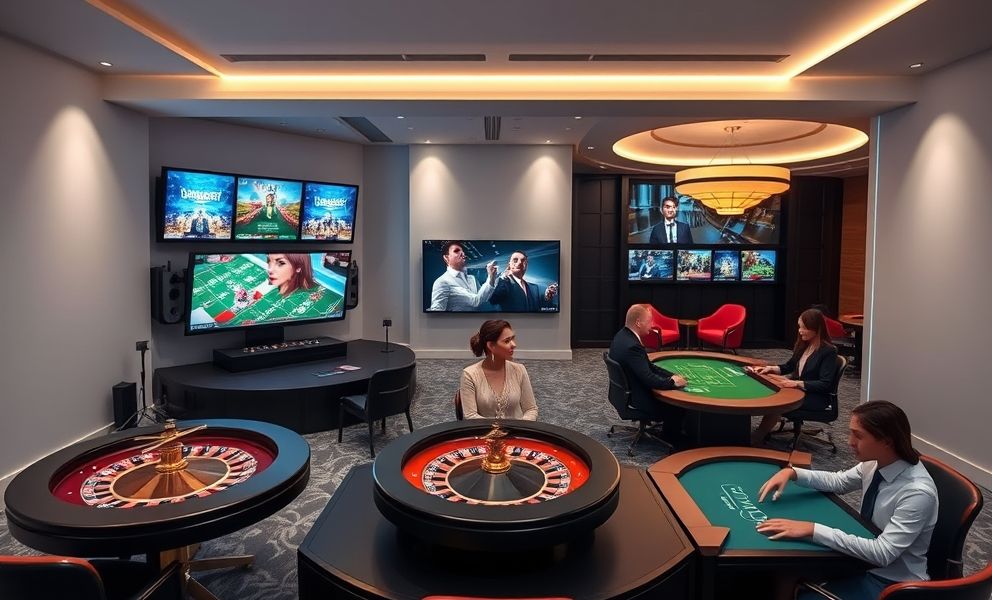

RULES AND RHYTHM: WHAT MAKES TV GAMES DIFFERENT FROM REGULAR LIVE CASINO STREAMS
In the evolving landscape of online gaming, two distinct formats have captured player attention: traditional live casino streams and the emerging category of TV games. While both offer real-time entertainment, they operate on fundamentally different principles that affect everything from gameplay mechanics to player engagement. Understanding these differences is crucial for players seeking the right gaming experience.
The Core Distinction: Structured Gameplay vs. Open-Ended Casino Action
TV games typically follow a structured, broadcast-style format with scheduled rounds, predetermined game durations, and clear start/end points. Much like television game shows, these sessions operate on a fixed timetable, creating a rhythmic, predictable experience. Players tune in at specific times to participate in rounds that follow consistent patterns and rules.
In contrast, traditional live casino streams mirror the continuous, open-ended nature of physical casinos. Games like blackjack, roulette, and baccarat run continuously throughout the day, allowing players to join and leave at any time. This creates a more fluid, spontaneous environment where the action never truly stops—players simply enter and exit the ongoing gameplay.
Game Mechanics and Rule Structures
TV games often feature simplified, game-show inspired mechanics designed for mass appeal. Games like Dream Catcher, Monopoly Live, and Crazy Time incorporate elements like bonus wheels, multipliers, and interactive bonus rounds that wouldn’t be found in traditional casino settings. The rules are typically straightforward, with clear winning conditions that are easy for new players to understand.
Traditional live casino games, however, adhere to established casino rules that have been refined over decades. The complexity can vary—from the simple bet-and-spin of roulette to the strategic decision-making required in blackjack—but the fundamental rules remain consistent with their land-based counterparts. This provides experienced players with familiar territory while maintaining the integrity of classic casino games.
Presentation and Production Values
The production approach differs significantly between these formats. TV games prioritize entertainment value with high-production sets, multiple camera angles, animated graphics, and charismatic hosts who engage directly with the audience. The experience feels more like participating in a television show than visiting a casino.
Live casino streams focus on authenticity and transparency. The production is typically more straightforward, with clear views of the gaming table, professional dealers, and minimal distractions. The emphasis is on recreating the genuine casino atmosphere rather than creating a spectacle.
Player Interaction and Social Elements
TV games often incorporate more interactive elements, with hosts frequently addressing the virtual audience, celebrating wins collectively, and creating a shared experience among participants. The chat functionality becomes an integral part of the game, with players often cheering each other on during bonus rounds.
In live casino streams, interaction tends to be more subdued and focused on the game itself. While players can chat with dealers and each other, the social aspect is typically secondary to the gameplay. The experience is more individualistic, with each player focused on their own bets and strategies.
Pacing and Game Duration
The rhythmic structure of TV games creates distinct pacing. Rounds have clear beginnings and endings, with built-in breaks between games. This allows for anticipation building and creates natural stopping points for players. The predetermined duration (often 2-5 minutes per round) provides consistency.
Live casino games flow continuously, with no natural breaks beyond the time between hands or spins. The pace is determined by the players and dealer rather than a production schedule, creating a more organic but less predictable rhythm.
Accessibility and Learning Curve
TV games generally have a lower barrier to entry. The simplified rules, entertaining presentation, and guided gameplay make them accessible to casual players and newcomers. The game-show format feels familiar even to those with no casino experience.
Traditional live casino games can have steeper learning curves, particularly for games like baccarat or certain blackjack variants that involve strategic decision-making. While basic bets are simple, mastering optimal play requires more knowledge and experience.
Conclusion: Choosing Your Experience
Ultimately, the choice between TV games and traditional live casino streams comes down to personal preference. TV games offer structured, entertaining experiences with simplified rules and high production values—perfect for players seeking lighthearted fun and social interaction. Traditional live casino streams provide authentic, continuous gameplay that appeals to purists who value strategy, familiarity, and the genuine casino atmosphere.
Both formats have their place in the modern gaming landscape, catering to different moods, preferences, and playing styles. As the industry continues to evolve, we’re likely to see further innovation in both categories, offering players an ever-expanding range of high-quality live gaming options.