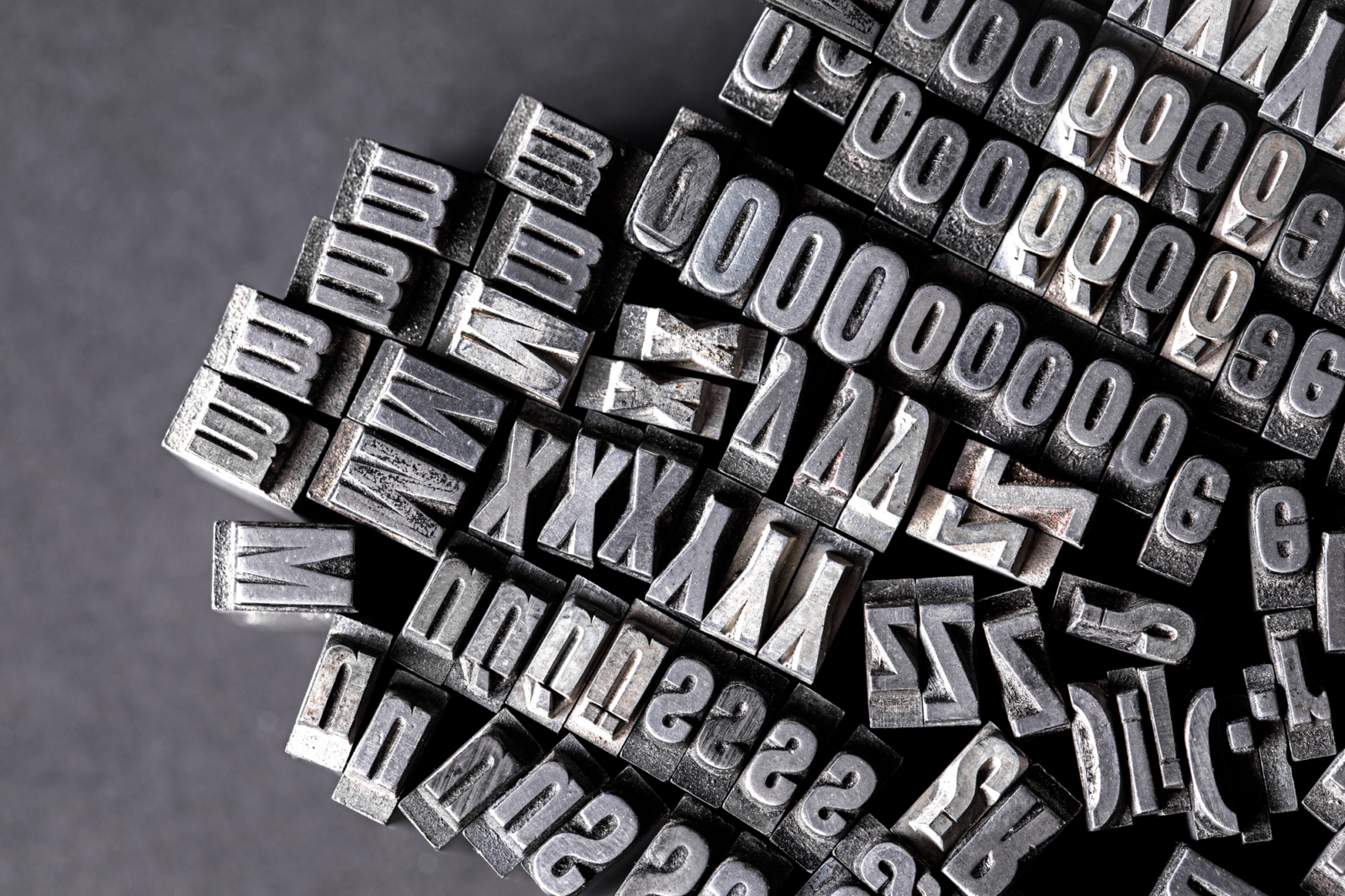

Before a single card is dealt or a reel starts spinning, something has already happened to you. The colors, the logo, the typeface – they’ve done their work before you’ve consciously registered any of it. Typography in gaming design isn’t cosmetic. It’s part of the argument a platform makes about itself, and your brain reads that argument faster than you realize.
Serif or sans-serif, condensed or wide, heavy or featherlight – these choices carry emotional freight that designers exploit deliberately. In competitive digital markets, where a user compares three options before choosing one, typeface is among the first trust signals encountered. That’s why operators like sankra casino treat their typographic identity as seriously as their licensing credentials – both communicate reliability, just through different channels.
Why Certain Fonts Feel Lucky
Luck is an emotion before it’s a statistical concept. Emotions are heavily shaped by visual cues that operate below conscious attention. Research in environmental psychology has found that people form affective responses to typefaces within milliseconds – associating certain letterforms with warmth, authority, playfulness, or risk before reading a single word. In gaming contexts specifically, a few patterns hold. High-contrast serifs – bold strokes tapering to fine points – signal tradition and gravitas, borrowing from financial institutions and heritage brands. That’s exactly why a casino wants them near a jackpot figure. The number feels heavier, more real.
The Energy of Rounded Sans-Serifs
At the opposite end of the typographic spectrum sits the rounded sans-serif. Soft terminals, even stroke weight, generous letter-spacing. These fonts don’t communicate authority – they communicate approachability. They say: this is fun, the stakes are manageable, you’re welcome here. Around 2019-2022, mobile-first platforms doubled down on this style, vying for younger users who tied stiff formal typography to banking interfaces they’d rather avoid.The same font that makes a fintech app feel less intimidating makes a gaming lobby feel less like a transaction and more like entertainment.
Script and Display: When Type Becomes Theater
Script fonts occupy a different psychological register entirely. Theatrical, handcrafted-feeling, emotionally warm in ways geometric typefaces can’t replicate. A gold script treatment on a welcome bonus banner isn’t trying to communicate efficiency. It’s staging a moment – conjuring associations with celebration, something special happening right now. The risk is legibility at small sizes on mobile screens. Experienced designers treat script as accent, not workhorse: headline use only, never body copy, always with enough surrounding space to let the letterforms breathe. Done well, it feels theatrical. Done carelessly, it reads as noise.
How Typography Shapes Trust in Digital Gambling
| Typeface Style | Emotional Register | Common Platform Use |
| High-contrast serif | Authority, tradition | Jackpot figures, brand wordmarks |
| Rounded sans-serif | Warmth, accessibility | Navigation, lobby copy, onboarding |
| Condensed bold | Energy, urgency | Countdown timers, promo banners |
| Script / display | Celebration, occasion | Bonus announcements, VIP branding |
| Monospace | Precision, fairness | RTP figures, transaction history |
The monospace entry is worth pausing on. Platforms displaying RTP percentages in a monospaced typeface aren’t doing it for aesthetics – they’re doing it because monospace reads as machine-accurate, impartial, verifiable. It visually signals that the numbers are unmanipulated. Font as an honesty signal. That’s a design decision with real behavioral consequences.
The Greek Market and Typographic Localization
Typography gets complicated when a platform serves Greek users because the Greek alphabet sits entirely outside the Latin script. A typeface polished in English may have sparse or poorly designed Greek character sets – manifesting as mismatched stroke weights, inconsistent spacing, or letters that look displaced beside Latin glyphs.
What Good Localization Looks Like
Platforms serious about the Greek market source typefaces with professional Greek support built in, or commission custom character sets from specialists in polytonic scripts. The difference is immediately visible to native readers, even if they’d struggle to articulate why a page feels off. Poorly localized typography signals the platform wasn’t designed with them in mind.
Comfort Before the Game Begins
This matters more in gaming than in almost any other digital context because comfort and trust are preconditions for enjoyment. A user who feels subtly alien in an interface – sensing the product was designed elsewhere and translated imperfectly – carries that friction into the experience. Typographic localization eliminates that friction before it becomes a problem.
What the Font Is Actually Telling You
Choose a typeface carelessly and users can’t name what’s wrong, but something is. Choose deliberately and the typeface disappears into the background, doing its job invisibly – reinforcing mood, supporting hierarchy, making the experience feel coherent rather than assembled. Typography in gaming isn’t decoration. It’s already telling you whether this is a place you can trust, and it’s doing that before you’ve even read the name.