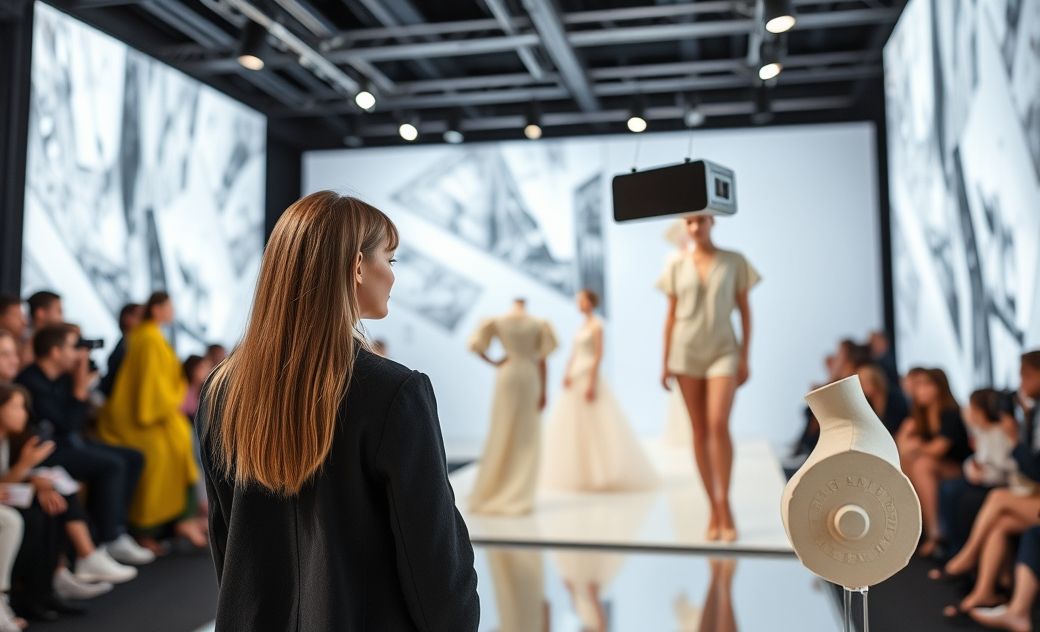

The fashion industry has always thrived on its ability to captivate audiences with innovation and creativity. In an era where digital dynamics are reshaping traditional spaces, virtual fashion shows have emerged as a modern revelation that is redefining the fashion landscape. The influence of virtual fashion shows on the industry is profound, affecting designers, brands, and consumers alike.
The Rise of Virtual Fashion Shows
Virtual fashion shows have gained significant momentum, particularly during times when physical attendance became challenging. With advancements in technology, designers are now able to host immersive and interactive experiences online. This transformation not only democratizes fashion, making it accessible to a global audience, but it also pushes creative boundaries by integrating elements such as augmented reality (AR) and virtual reality (VR).
Accessibility and Inclusivity
One of the most remarkable influences of virtual fashion shows is the enhancement of accessibility and inclusivity. Previously, attendance at a major fashion show was often restricted to the industry’s elite and select media outlets. However, digital channels have dismantled these barriers, offering everyone a front-row seat. This shift is instrumental in promoting diversity and a broader range of perspectives in fashion narratives.
Technological Integration
The integration of cutting-edge technology in virtual shows is changing how fashion is consumed and appreciated. By employing 3D visuals, interactive features, and detailed close-ups, brands can showcase their collections in more innovative ways. These technologies also allow viewers to interact with the collection, offering a personalized and engaging experience that is hard to replicate in traditional settings.
Economic and Environmental Impacts
The pivot towards virtual shows offers both economic and environmental benefits. Hosting a digital event can significantly reduce costs associated with logistics, travel, and physical space rentals. Moreover, the environmental impact is minimized as it eliminates the carbon footprint tied to traditional fashion shows. This aligns with the industry’s growing focus on sustainability and responsible production.
Cost Efficiency
By reducing the need for elaborate physical setups and extensive travel, virtual fashion shows present a cost-effective model. This allows brands, especially emerging designers, to allocate resources to enhance their collections and engagement strategies further. It also opens up opportunities for more frequent showcases, keeping collections fresh and relevant throughout the year.
Sustainable Practices
As sustainability becomes a driving force in fashion, virtual shows offer a compelling solution to reducing the ecological footprint of events. By leveraging digital platforms, brands can minimize waste, energy consumption, and the overall environmental impact—steps that are crucial for the industry’s long-term viability.
The Future of Fashion Shows
The integration of virtual fashion shows is not just a temporary shift but rather a complementary evolution to traditional shows. As regulations on live events fluctuate, the hybrid model, combining both virtual and physical elements, is likely to become the new norm. This approach not only extends reach but also enriches the storytelling aspect of fashion presentations.
The Hybrid Model
Blending virtual and physical elements allows for a unique experience that marries the tangible with the immersive. Attendees can enjoy the physical allure of textures and designs while engaging with digital layers that offer richer contextual information and interaction. This hybrid model is poised to enhance consumer engagement significantly.
Enhanced Consumer Engagement
The ability to reach a global audience and offer interactive experiences translates to heightened consumer engagement. Brands can leverage analytics from virtual events to gain insights into consumer preferences, enabling more targeted and effective marketing strategies. This direct line to the consumer also fosters loyalty and community building, critical elements for brand growth in the digital age.
In conclusion, the influence of virtual fashion shows is shaping a more inclusive, sustainable, and interactive future for the fashion industry. By staying at the forefront of technological innovation and consumer engagement, brands can not only survive but thrive in this evolving digital landscape.