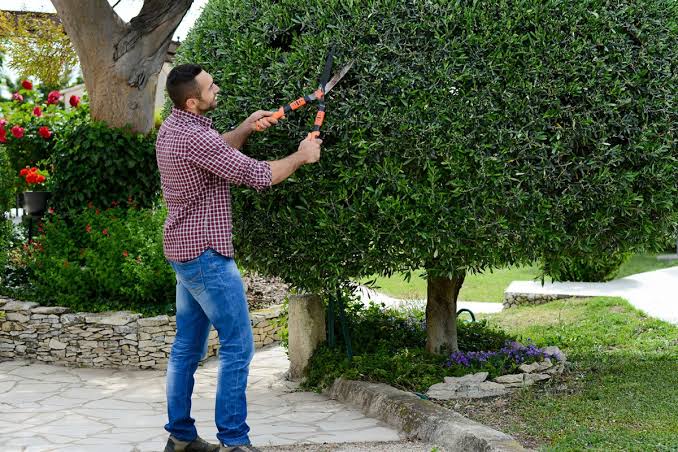

Regular tree trimming can help maintain attractive growth, improve structural balance, remove problematic branches, and keep trees better suited to their surroundings. However, every tree presents different conditions, which is why tree trimming cost can vary considerably from one situation to another. Size, branch density, accessibility, tree condition, and nearby obstacles all influence the amount of work involved. Understanding these factors helps property owners evaluate their trees more realistically and plan maintenance according to actual needs.
Why Tree Trimming Cost Is Different for Every Tree
No two trees grow exactly alike. Even trees of the same species and similar age can develop different branch structures depending on sunlight, available space, previous pruning, weather exposure, and surrounding features.
As a result, tree trimming cost cannot be accurately understood by considering only one factor. The entire tree and its environment need to be evaluated.
Tree Height and Canopy Size
Tree height is an important consideration because taller trees may require more preparation and specialized access. Yet height alone does not determine the complexity of trimming.
Canopy width and branch density also matter. A moderately tall tree with a broad, crowded crown may require more detailed work than a taller tree with fewer branches.
The number, position, and size of branches requiring attention can therefore influence the overall scope significantly.
The Purpose of Trimming Matters
Tree trimming can be performed for several reasons. Some trees need dead or damaged branches addressed, while others may require selective attention to improve structure or provide appropriate clearance.
The objective affects how much work is involved. Removing a small number of accessible branches differs substantially from carefully working throughout a dense mature canopy.
Structural Maintenance Requires Careful Selection
Good trimming is not simply about removing as many branches as possible. Each cut can influence future growth, canopy balance, and the tree’s response.
Careful branch selection requires an understanding of tree structure. Removing excessive healthy growth can create unnecessary stress, so the goal should be purposeful maintenance rather than aggressive cutting.
Property owners looking for professional tree trimming guidance nearby can benefit from having individual tree conditions evaluated before deciding how much trimming is appropriate.
Accessibility Can Influence Tree Trimming Cost
A tree growing in an open section of a yard may provide relatively straightforward access. Conditions can become more complicated when trees stand behind narrow entrances, on slopes, between structures, or within heavily landscaped areas.
Accessibility influences how workers can approach branches and manage removed material.
Obstacles Around the Tree
Buildings, fences, sheds, garden areas, driveways, walkways, and other trees may restrict available working space.
Branches located above sensitive areas may need to be handled with greater control rather than simply allowed to fall freely. These site-specific challenges can influence tree trimming cost because they affect planning and the way the work must be performed.
Tree Health and Condition Make a Difference
Healthy branches generally behave more predictably than severely damaged or decayed wood. A tree containing dead limbs, cracks, cavities, or storm damage may require additional care during trimming.
Brittle branches can break unexpectedly, while weakened sections may not provide reliable structural support.
Storm Damage Can Increase Complexity
After severe weather, a tree may contain hanging, split, twisted, or partially detached branches. Some damage is immediately visible, while other weaknesses may be hidden higher in the canopy.
Assessing the tree before trimming helps identify unstable areas and determine which branches deserve priority. The extent of damage can consequently affect the amount of work required.
How Tree Species and Growth Habits Affect Trimming
Different tree species develop distinctive forms. Some produce dense networks of smaller branches, while others grow fewer but much heavier limbs.
Growth rate also varies. Fast-growing trees may need more frequent observation, whereas slower-growing trees can have different maintenance requirements.
These natural characteristics help explain why tree trimming cost should not be compared solely according to tree height or age.
Previous Maintenance Can Influence Future Work
Trees that have received thoughtful maintenance over time may develop more manageable structures. In contrast, long periods without attention can allow deadwood, crossing branches, crowded growth, or structural concerns to accumulate.
Poor previous cutting can also create additional challenges. Irregular regrowth may produce crowded shoots or weakly attached branches that require careful evaluation later.
When Is Tree Trimming Worth Considering?
Visible dead branches are an obvious reason to inspect a tree, but other signs can indicate that attention may be useful.
Branches may cross and rub against each other, extend into unsuitable areas, become damaged during storms, or create excessive weight in certain parts of the canopy.
Young trees can also benefit from thoughtful structural development. Addressing certain growth patterns early may reduce more complicated corrective work as the tree matures.
Planning Tree Maintenance Wisely
Instead of waiting until branches become severely damaged or inconvenient, property owners can inspect trees periodically and note changes in their structure.
Planning based on tree health and actual maintenance needs can provide a clearer understanding of tree trimming cost. It also helps avoid unnecessary cutting that offers little benefit to the tree.
Conclusion
Understanding tree trimming cost requires looking beyond the height of a tree. Canopy density, branch size, accessibility, tree health, surrounding obstacles, storm damage, and the purpose of trimming all influence how much work may be involved.
A careful, tree-specific approach supports better maintenance decisions. By observing structural changes, addressing legitimate concerns, and avoiding unnecessary branch removal, property owners can encourage healthier growth while maintaining safer, more attractive outdoor spaces.