
Introduction
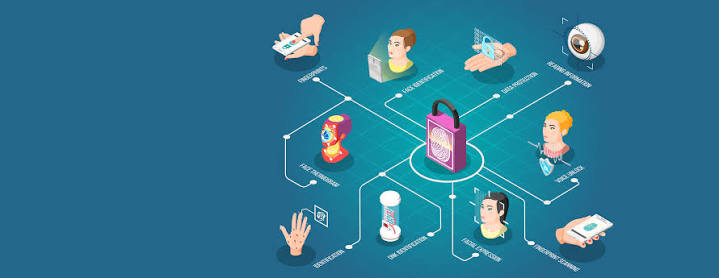
Biometric technology is an advanced method of identifying individuals based on their unique physical or behavioral characteristics. It is widely used in security systems, smartphones, banking, airports, and government identification systems.
Unlike traditional passwords or ID cards, biometric systems rely on traits such as fingerprints, facial features, iris patterns, and voice recognition, making them more secure and difficult to duplicate.
What is Biometric Technology?
Biometric technology refers to automated systems that identify or verify a person using biological and behavioral traits.
It provides a fast, accurate, and secure method of authentication.
Types of Biometric Systems
Fingerprint Recognition
Uses unique fingerprint patterns for identification.
Facial Recognition
Analyzes facial features using AI-based algorithms.
Iris Recognition
Uses patterns in the human eye’s iris for verification.
Voice Recognition
Identifies individuals based on voice patterns.
Behavioral Biometrics
Analyzes behavior such as typing speed or movement patterns.
Each type offers different levels of security and accuracy.
How Biometric Systems Work
Biometric systems follow a structured process:
- Data is captured using sensors or cameras.
- The system extracts unique features.
- Data is converted into a digital template.
- The template is stored securely.
- During verification, new input is matched with stored data.
This process ensures accurate identification.
Applications of Biometric Technology
Smartphones
Face unlock and fingerprint sensors.
Banking Systems
Secure authentication for transactions.
Airports
Fast passenger identification and security checks.
Government ID Systems
National identity programs.
Healthcare
Patient identification and record management.
Workplace Security
Access control for employees.
Biometrics is widely used across sectors.
Benefits of Biometric Technology
High Security
Difficult to forge or steal biometric data.
Fast Authentication
Quick and efficient identification.
User Convenience
No need to remember passwords.
Accuracy
Reduces identity fraud.
Automation
Streamlines security processes.
These advantages make biometrics highly reliable.
Challenges of Biometric Technology
Privacy Concerns
Sensitive personal data must be protected.
Data Breaches
Biometric data cannot be changed like passwords.
High Cost
Advanced systems require investment.
Technical Errors
False positives or negatives may occur.
Ethical Issues
Concerns about surveillance and misuse.
These Game bài sunwin require strict regulation.
Role of Artificial Intelligence in Biometrics
AI improves biometric systems by enhancing accuracy, detecting fraud, and improving recognition speed using machine learning algorithms.
Biometric Technology in Cybersecurity
Biometrics strengthens cybersecurity by adding an extra layer of authentication beyond traditional Sunwin game bài.
Future of Biometric Technology
The future of biometrics is highly advanced and will integrate deeply into daily life and digital systems.
Future developments may include:
Multi-Modal Biometrics
Combining multiple biometric methods for better security.
Continuous Authentication
Ongoing identity verification in real time.
AI-Powered Recognition
Smarter and more accurate systems.
Wearable Biometric Devices
Continuous health and identity tracking.
Global Biometric Identity Systems
Universal digital identity frameworks.
Biometrics will become a standard security method.
Conclusion
Biometric technology is transforming identity verification and security systems by providing fast, accurate, and highly secure authentication methods. It is becoming essential in smartphones, banking, government systems, and cybersecurity.
Although challenges such as privacy, cost, and data security exist, continuous technological advancement is improving its reliability and acceptance.
In the future, biometric systems will play a central role in building secure digital identities and protecting sensitive information across the world.
As technology evolves, biometrics will become one of the most important pillars of digital security and personal authentication.