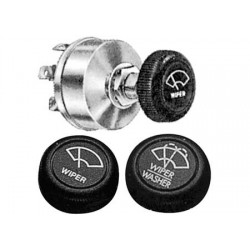

A reliable electrical system is an essential part of modern boating. Lights, pumps, navigation devices, ventilation systems, and other onboard equipment all require convenient and dependable controls. Electrical switches provide a simple way to operate these systems, allowing boat owners to manage electrical functions efficiently from the helm, cabin, or designated control panel.
What Are Electrical Switches?
Electrical switches are devices used to open, close, or control an electrical circuit. In marine applications, they are commonly used to turn equipment on and off or manage different electrical functions.
Marine switches are available in various styles, sizes, and configurations. Depending on the application, boat owners may choose toggle switches, rocker switches, push-button switches, rotary switches, or specialized panel controls.
Selecting a switch designed for the intended marine environment can help provide dependable operation over time.
Why Quality Switches Matter
Boats operate in environments where moisture, humidity, vibration, saltwater, and temperature changes are common. These conditions can place additional demands on electrical components.
High-quality electrical switches designed for marine use can feature corrosion-resistant materials, protective housings, and sealed construction. These characteristics can help protect internal components and support reliable operation in challenging conditions.
A durable switch can also contribute to a clean and professional-looking electrical panel.
Common Applications on Boats
Electrical switches are used for many onboard systems. Some common applications include:
- Interior and exterior lighting
- Navigation lights
- Bilge pumps
- Freshwater pumps
- Ventilation fans
- Horns
- Electronics
- Cabin appliances
- Battery and accessory circuits
A well-organized switch panel allows boat operators to control these systems conveniently without needing separate controls scattered throughout the vessel.
Different Types of Marine Switches
The correct switch type depends on the application and the equipment being controlled. Rocker switches are popular because they are easy to operate and can provide a neat appearance on a control panel.
Toggle switches are another common option and are valued for their straightforward operation. Push-button switches can be useful for functions that require momentary activation, while rotary switches can provide multiple-position control.
Illuminated switches can make controls easier to identify in low-light conditions, which is particularly useful for nighttime boating.
Installation Considerations
Proper installation is important for achieving dependable performance from marine electrical switches. Before installing a switch, boat owners should confirm its voltage and current ratings and ensure that it is compatible with the circuit.
Appropriate wiring, terminals, circuit protection, and mounting hardware should be used. Switches should also be installed in locations that are suitable for their environmental rating and protected from unnecessary water exposure.
Following manufacturer instructions and recognized marine electrical practices can help create a reliable installation.
Maintenance and Inspection
Regular inspection can help identify potential electrical problems early. Boat owners should check switches and surrounding connections for corrosion, looseness, physical damage, or unusual heat.
If a switch becomes difficult to operate, intermittently functions, or shows visible damage, it should be inspected and replaced when necessary. Keeping the switch panel clean can also improve visibility and maintain a professional appearance.
Creating an Organized Control Panel
A thoughtfully designed control panel can make a boat easier and more enjoyable to operate. Clearly labeled electrical switches allow users to identify individual systems quickly and reduce confusion.
Grouping related controls together can make everyday tasks more convenient. For example, navigation lighting, cabin lighting, pumps, and accessory circuits can be arranged logically according to the vessel’s layout and electrical requirements.
Conclusion
Electrical switches are small but essential components of a modern boat’s electrical system. They provide convenient control over lighting, pumps, electronics, ventilation, and many other onboard functions.
By selecting marine-suitable switches with appropriate ratings, installing them correctly, and inspecting them regularly, boat owners can support a dependable and organized electrical system. Quality electrical switches offer an effective combination of functionality, convenience, and durability, making them a valuable addition to any well-equipped vessel.