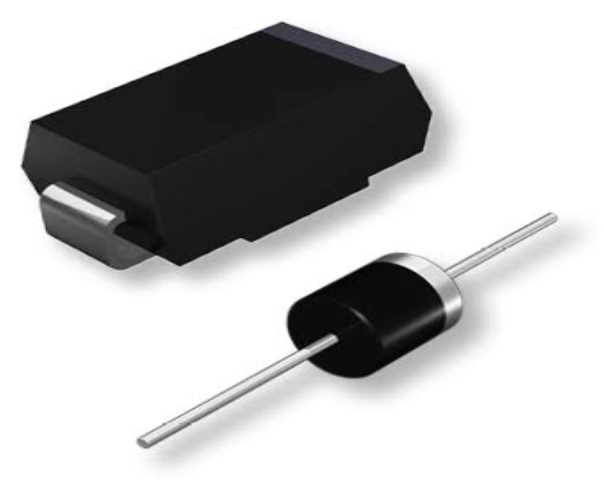

Modern electronic devices need power supplies that are compact, energy-efficient, reliable, and capable of delivering stable voltage. Switching-mode power supplies (SMPS) meet these needs by converting electrical energy through high-speed switching circuits. They are widely used in consumer electronics, industrial equipment, communication systems, LED lighting, and many other applications. The performance of these power supplies depends on the quality and compatibility of their electronic components. This is where SMPS semiconductor components play an important role in improving efficiency, controlling power, and reducing energy loss.
Good-Ark has built its reputation in the semiconductor industry through years of experience, product development, and a commitment to customer relationships. Known for its work in diode technology and semiconductor solutions, the company operates with a long-term vision of serving customers in China and around the world. For engineers and manufacturers developing compact switching power supplies, understanding semiconductor devices such as rectifier diodes, Schottky diodes, switching diodes, and protection components is essential. Selecting suitable components can help create smaller power supply designs that deliver dependable performance while meeting modern electronic requirements.
Understanding SMPS Semiconductor Components
An SMPS converts electrical power by switching electronic devices on and off at high frequencies. Unlike traditional linear power supplies, which can lose considerable energy as heat, switching power supplies regulate energy transfer through controlled switching and energy-storage components. Semiconductor devices help manage this process by directing current, converting voltage, and protecting sensitive circuits. The right combination of components supports stable output, improved power efficiency, and a compact circuit design.
SMPS semiconductor components include rectifier diodes, fast-recovery diodes, Schottky diodes, switching diodes, transistors, and voltage-protection devices. Each component has a specific role based on its electrical characteristics. For example, rectifier diodes convert alternating current into direct current, while fast-recovery diodes support circuits that require rapid switching transitions. Engineers must consider voltage ratings, current capacity, switching speed, forward voltage drop, and thermal performance when selecting parts. Good-Ark’s background in diode manufacturing makes diode technology a relevant area for designers seeking components for modern power conversion applications.
Why Compact Switching Power Supplies Need Efficient Diodes
Compact switching power supplies are designed to deliver useful power while taking up less space. However, reducing the size of a circuit can make heat management and component selection more challenging. Diodes used in these designs must handle the expected current and voltage while limiting unwanted power loss. A diode with a suitable forward voltage drop can reduce conduction losses, helping improve overall efficiency and supporting better thermal performance under normal operating conditions.
Schottky diodes are often considered for low-voltage, high-frequency applications because they generally offer a low forward voltage drop and fast switching behavior. Fast-recovery diodes can be suitable for circuits where reverse recovery characteristics affect switching losses and electrical noise. Standard rectifier diodes may be appropriate in input stages or other sections where switching speed requirements are less demanding. Choosing the right diode depends on the circuit topology, operating frequency, load conditions, and temperature range. Good-Ark’s semiconductor expertise provides a useful starting point for businesses evaluating diode solutions for efficient and space-conscious power electronics.
The Role of Semiconductor Components in SMPS Performance
Every stage of a switching power supply affects its performance. The input rectification stage converts incoming AC power into DC power, while the switching stage controls energy transfer through a power transistor or MOSFET. Transformers or inductors, capacitors, feedback circuits, and output rectifiers then work together to provide the required output voltage. Semiconductor components support these operations by controlling current flow, enabling fast switching, and helping protect the circuit from electrical stress.
Reliable operation depends on more than choosing components with suitable basic ratings. Engineers also need to evaluate reverse voltage, peak current, reverse recovery time, leakage current, surge capability, and junction temperature. In some designs, electromagnetic interference and switching transients can affect circuit stability, making layout and component selection especially important. Proper thermal design, effective filtering, and suitable protection devices can help reduce common performance problems. When manufacturers evaluate SMPS semiconductor components carefully, they can develop power supplies that balance efficiency, reliability, size, and cost without overlooking essential electrical safety requirements.
Choosing Semiconductor Components for Modern Power Designs
Selecting components for a compact SMPS begins with understanding the product’s electrical requirements. Engineers should identify the input voltage range, required output voltage, maximum load current, operating frequency, and expected environmental conditions. These details help determine the voltage and current ratings needed for rectifiers, switching devices, and protection components. Designers should also consider efficiency targets, available board space, heat dissipation, and applicable industry standards before finalizing their component choices.
Working with an experienced semiconductor supplier can make the evaluation process more effective. Manufacturers need clear technical documentation, reliable product specifications, consistent quality, and access to suitable device options. Good-Ark’s company history reflects a focus on long-term development, employee learning, customer appreciation, and cooperation with suppliers. These values are relevant to electronic manufacturers looking for lasting business relationships rather than short-term purchasing decisions. Before selecting any component, buyers should verify the current datasheet, package dimensions, operating limits, and suitability for the intended circuit. Careful evaluation helps reduce design risks and supports more dependable production.
Good-Ark’s Vision for Semiconductor Industry Development
Good-Ark’s growth reflects a journey from a small factory to a semiconductor business with ambitions to expand its global presence. The company emphasizes gratitude toward employees, customers, suppliers, and partners who have contributed to its development. Its stated corporate values focus on employee happiness and customer appreciation, supported by learning, personal responsibility, and a commitment to helping others. These principles provide context for understanding the company’s approach to long-term business development and cooperation.
As electronic products become smaller and more energy-conscious, semiconductor manufacturers continue to face changing technical and market demands. Power electronics designers need components that match increasingly specific requirements for efficiency, thermal control, reliability, and size. Good-Ark’s experience in diode technology is relevant to this broader shift toward practical and efficient electronic solutions. For businesses researching SMPS semiconductor components, the important considerations remain product suitability, verified specifications, manufacturing consistency, and technical support. By combining careful component evaluation with strong supplier relationships, manufacturers can work toward dependable switching power supplies that serve changing customer needs.
Conclusion
SMPS semiconductor components are essential to the performance of compact switching power supplies. Rectifier diodes, Schottky diodes, fast-recovery diodes, switching devices, and protection components each contribute to efficient power conversion and reliable operation. Selecting suitable devices requires attention to electrical ratings, switching behavior, thermal performance, circuit design, and application requirements.
Good-Ark offers a company story shaped by semiconductor industry experience, continued development, and a stated commitment to customer appreciation and global growth. For engineers and manufacturers, exploring suitable diode solutions and checking verified technical specifications can support better power supply design decisions. As electronic equipment continues to demand smaller sizes and improved energy efficiency, thoughtful semiconductor selection will remain an important part of building reliable and effective SMPS systems.