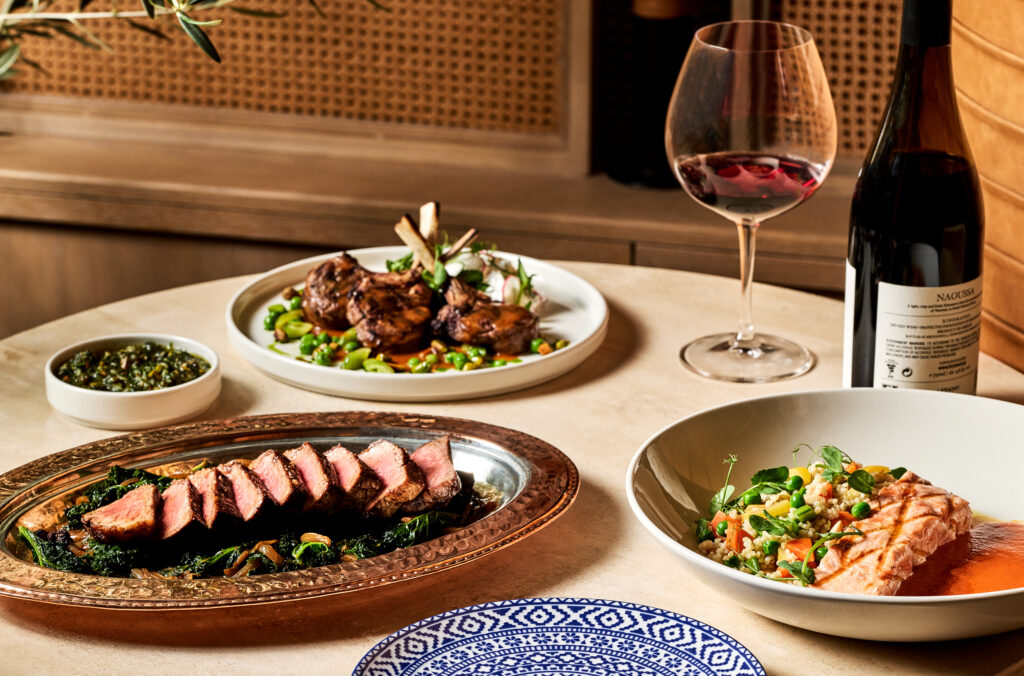

Mediterranean cuisine represents a diverse culinary landscape that weaves the traditions and flavours of countries around the Mediterranean Sea into a tapestry of tastes that has captured the palates of food enthusiasts worldwide. The region’s diet is celebrated for its health benefits, characterised by an abundance of fresh vegetables, fruits, whole grains, nuts, fish, and the liberal use of olive oil. Understanding the intricacies of these flavours can be a rewarding experience for both the amateur and seasoned gourmand. Central to the experience is sourcing authentic, high-quality ingredients. This is where premier Mediterranean wholesalers come into the picture, serving as a vital link between the rich traditions of the Mediterranean and contemporary culinary demands.
The Role of Mediterranean Wholesalers
Wholesalers specialising in Mediterranean products play a critical role in preserving the authenticity of the region’s cuisine. They source from a variety of suppliers in different Mediterranean countries, ensuring that the products they provide bring the region’s culinary heritage to tables around the world. Olive oils with specific regional characteristics, cheeses with a unique terroir, and spices that invoke the very essence of Mediterranean cooking are carefully selected and imported.
Moreover, these wholesalers are instrumental in supporting small-scale producers and family-owned businesses in Mediterranean countries, contributing to sustainable economic development in the region. As a bridge between these producers and the global market, Mediterranean wholesalers provide a platform for unique, high-quality ingredients to be appreciated beyond their local context.
An Assortment of Mediterranean Ingredients
Exploring Mediterranean cuisine begins with an understanding of the staple ingredients that define the palate of the region. Olive oil is perhaps the most emblematic of Mediterranean ingredients; a product that varies widely based on the type of olives used, the region of cultivation, and the methods of pressing and aging. Equally important are olives themselves, served as a snack or used as a key ingredient in dishes.
Dairy products such as feta from Greece, halloumi from Cyprus, and a variety of yoghurts form another cornerstone of the diet. Fresh herbs like basil, mint, and oregano bring verdant notes and aromas to meals. Meanwhile, spices such as saffron, sumac, and za’atar are essential for adding depth and complexity to dishes.
When visiting a wholesaler specialising in Mediterranean provisions, you’ll likely encounter an array of pastas, grains, and legumes that complete the region’s dietary portfolio. Durum wheat pasta from Italy, bulgur from Turkey, and lentils from across the Mediterranean basin are just a few examples of the carbohydrates that contribute to the diet’s balance.
Discovering Authentic Mediterranean Recipes
Mediterranean recipes are often a celebration of simplicity and freshness. Take a classic Greek salad (horiatiki): ripe tomatoes, cucumbers, red onions, olives, and a slab of feta cheese, simply seasoned with olive oil, salt, vinegar, and oregano. Or consider the rich, aromatic flavours of Moroccan tagines and Lebanese mezze platters, which showcase the regions’ affinity for combining sweet, savoury, and tart flavour profiles.
From Spanish tapas to Middle Eastern falafel, each dish embodies a story of cultural exchange and culinary evolution. Enthusiasts interested in Mediterranean cooking are encouraged to seek out authentic recipes that have been passed down through generations, and to experiment with the wide range of ingredients available from Mediterranean wholesalers. This hands-on experience not only leads to delicious meals but also a deeper connection with the Mediterranean culinary tradition.
Integrating Mediterranean Ingredients into Everyday Cooking
Embracing Mediterranean ingredients doesn’t just mean creating traditional recipes; these flavours can be integrated into everyday cooking, adding a touch of the Mediterranean to any meal. Consider swapping out traditional cooking oils with extra virgin olive oil for sautéing or dressing; sprinkle za’atar on roasts or vegetables to introduce vibrant flavours; or snack on a mix of nuts and dried fruits reminiscent of Mediterranean dietary habits.
Moreover, using high-quality Mediterranean ingredients sourced from reputable wholesalers ensures that even small modifications to your daily diet can come with the health benefits associated with the Mediterranean diet. The incorporation of whole grains, lean proteins, heart-healthy fats, and an abundance of plant-based foods can have positive effects on cardiovascular health, weight management, and overall wellness.
Supporting Authenticity through Selection
Essential to enjoying Mediterranean cuisine is the careful selection of authentic, high-quality ingredients. Premier Mediterranean wholesalers are typically knowledgeable about the products they carry and can offer invaluable advice on ingredient selection. Working closely with these suppliers ensures consumers have access to a consistent supply of fresh and genuine products to create authentic Mediterranean dishes.
Choosing the right ingredients is not just about flavour, but also about the cultural significance and preservation of traditional methods. By opting for olives from a specific region, for example, you are not only enriching your culinary experience but also supporting the communities and traditions that have cultivated these products for generations.
In summary, the rich flavours of Mediterranean cuisine are a testament to a historical mosaic of cultures and traditions. Premier Mediterranean wholesalers serve as custodians of this heritage, ensuring the continuation and accessibility of authentic ingredients that are fundamental to the cuisine. As we explore the vast array of tastes and recipes the Mediterranean has to offer, let’s cherish the role these wholesalers play in bringing the essence of sunny climates, vibrant markets, and familial tables into our homes and onto our plates.